Sidan på svenska| |

History

Luossavaara-Kiirunavaara AB (LKAB) was founded in 1890. But the history of the Orefields dates back to the 1660s. It was then that the first known samples of the Gällivare ore were taken. The ore mountains of Kiirunavaara and Luossavaara were mentioned in writing for the first time in 1696.
   Many were aware that the mountains in the north bore great wealth, and many business ventures were started but were doomed to failure. It was not until the 1870s, with the advent of the Thomas process, a new method of producing steel from phosphorus-rich ore, that the ore deposits became commercially viable. When the railway to the Orefields was built and subsequently reached Narvik, large-scale extraction of the valuable natural resource could begin.
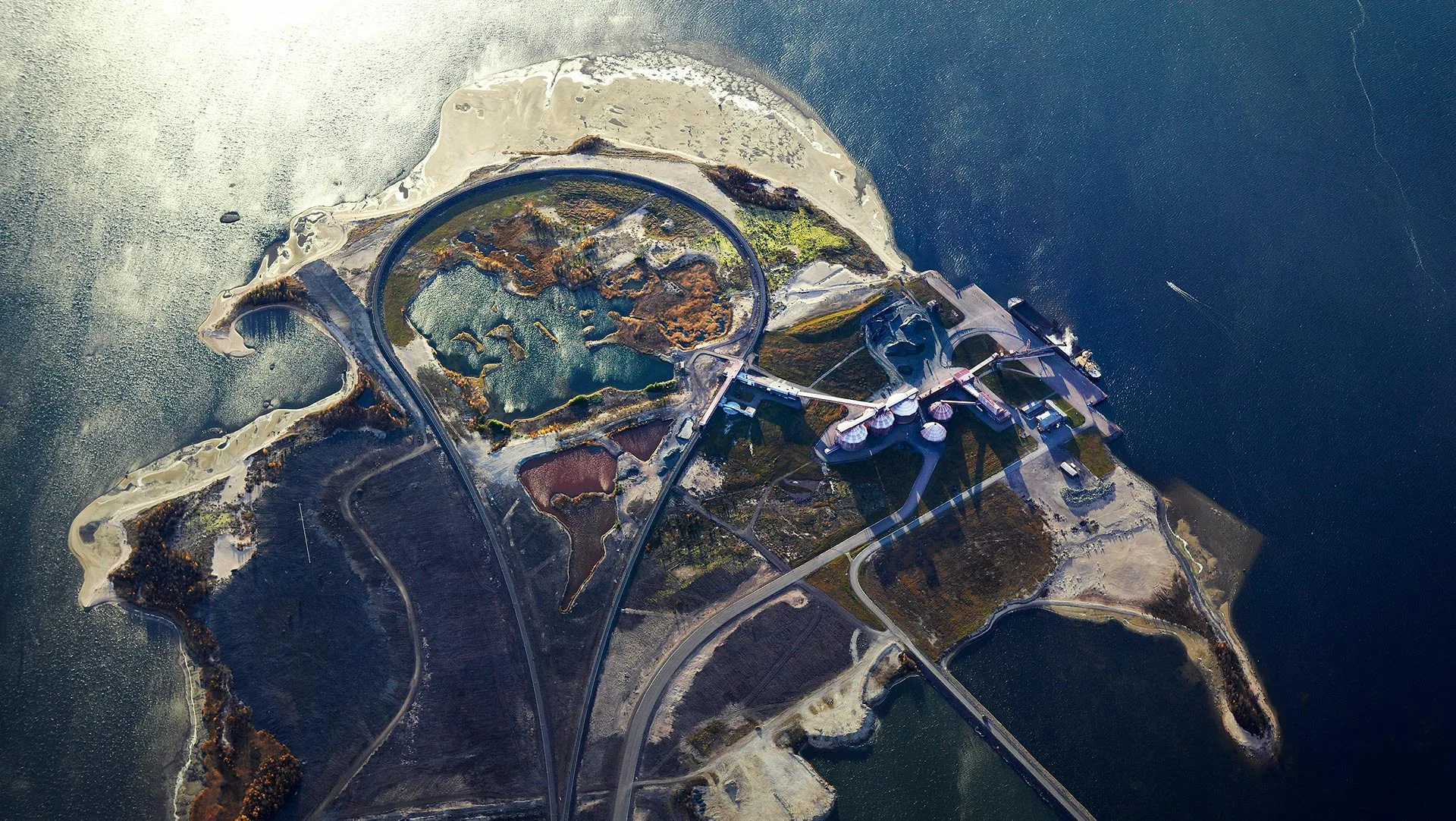
   Iron ore mining has driven the development of northern Sweden from a sparsely populated mountain and woodland region to a modern industrialized region. Not only Kiruna and Gällivare/Malmberget have thrived on mining. For the harbor towns of Narvik and Luleå, construction of the Ore Railway brought a surge in economic development.
   In the 1800s, Luleå was still little more than a small town with a couple of thousand inhabitants. Only when the ore trains begin to roll did the town begin to grow. The railway brought electrification and the establishment of steelworks and other industries.
   To this day, the iron ore from the mines in Kiruna and Malmberget is the lifeblood of an entire region, even on the Finnish side of the Bay of Bothnia, where iron ore products from LKAB feeds the steel industry in Finland.

© LKAB Group Office, Box 952, SE-971 28 Luleå, Sweden. Phone +46 920 380 00, fax +46 920 195 05 • info@lkab.com